By Florence Gump
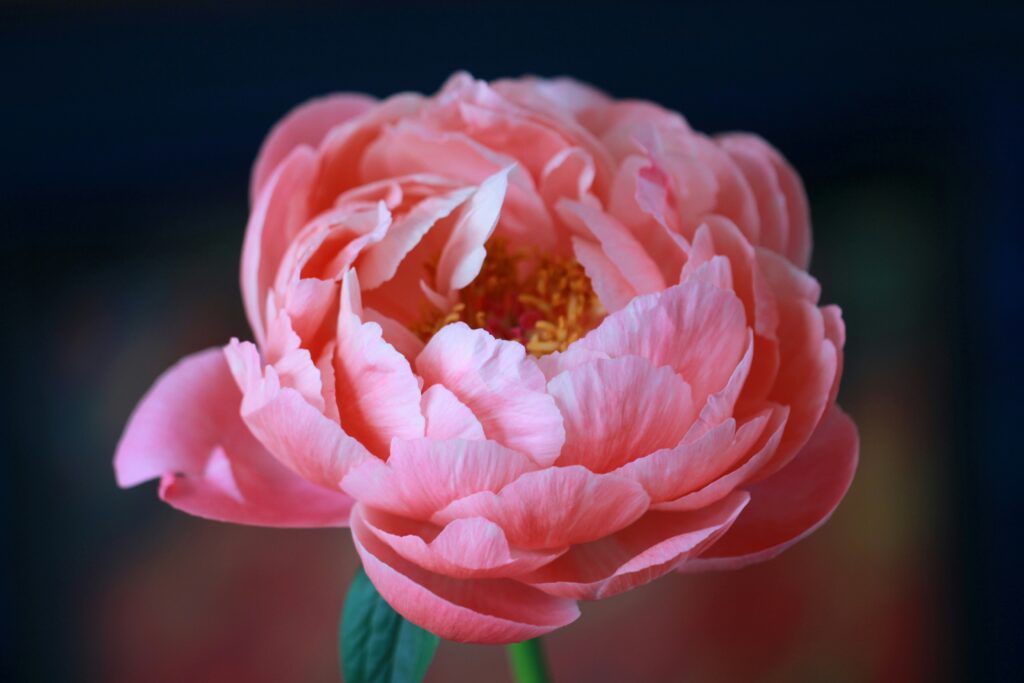
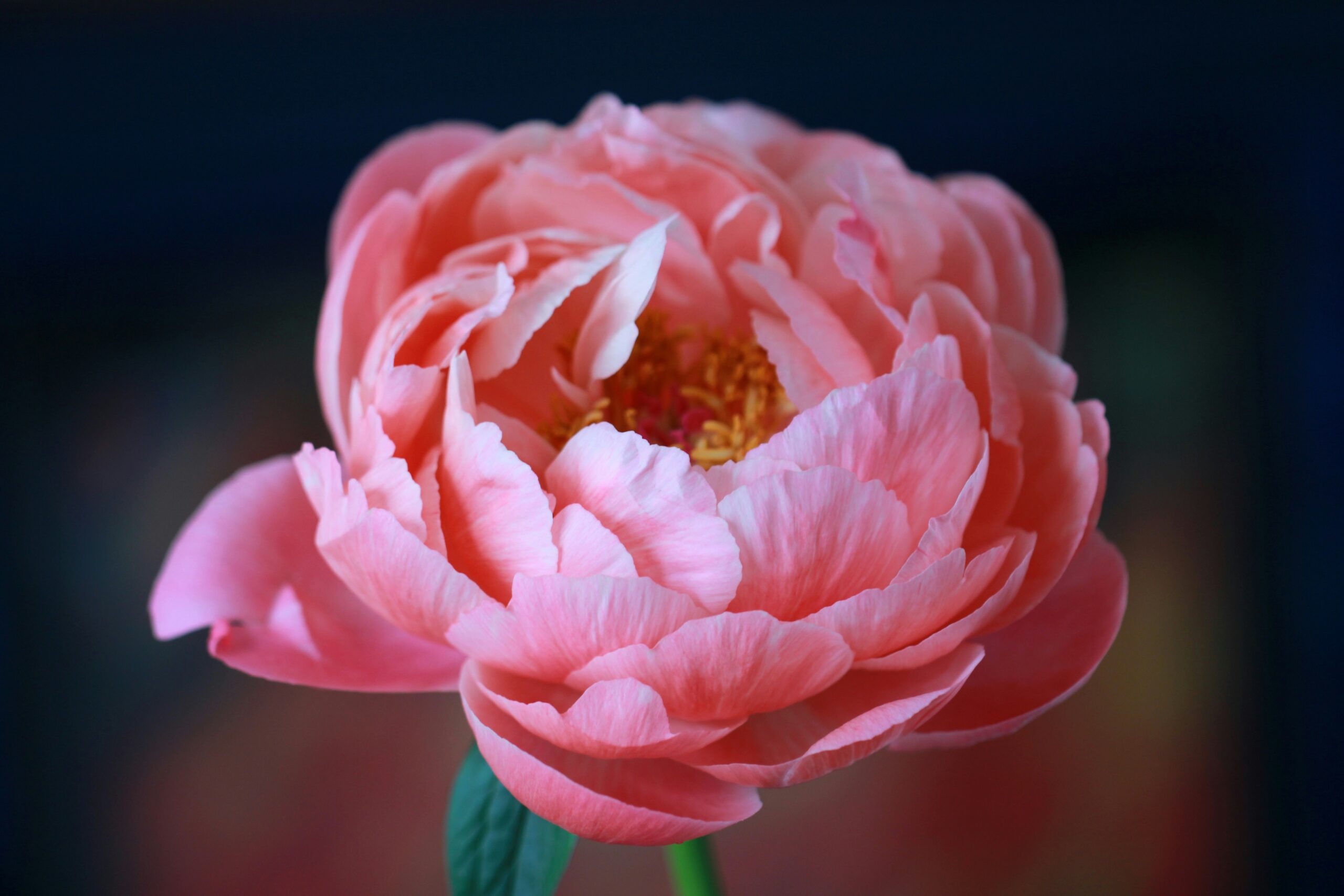
In our last discussion, we explored the revered status of the tree peony, the “King of Flowers” in Chinese culture. Its opulent blooms, once exclusive to imperial gardens, have long symbolised prosperity and feminine grace, immortalised in silk tapestries and classical poetry. Today, we shift focus to its elegant counterpart: the herbaceous peony (Paeonia lactiflora).
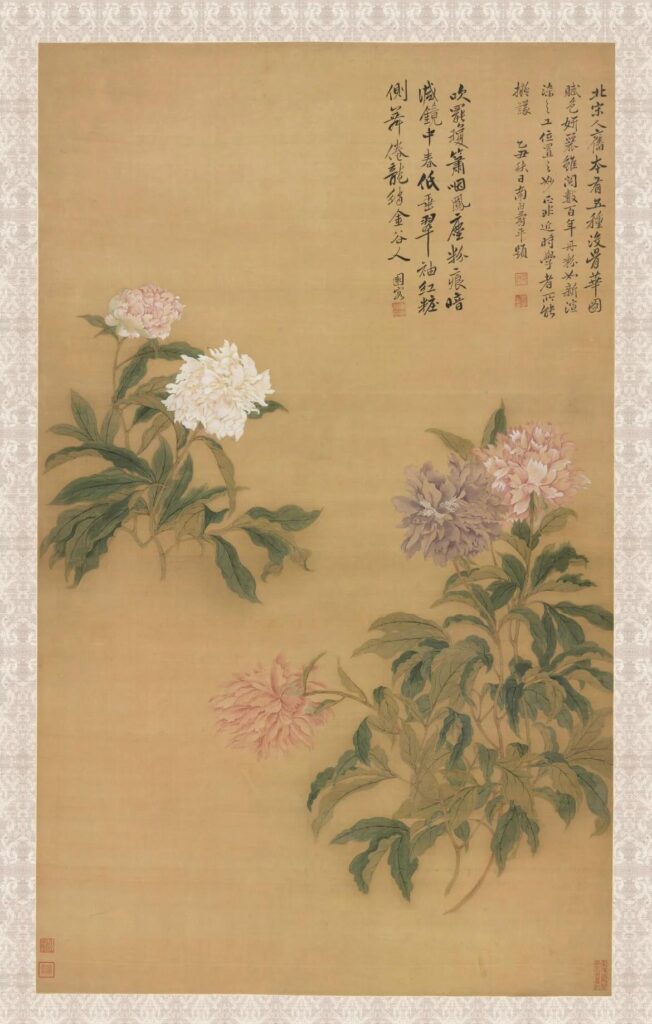
Painting of Five-Colored Herbaceous Peonies by Yun Shouping (Qing Dynasty 1644-1911)
The herbaceous peony and its imperial counterpart, the tree peony, share voluminous blooms of such similar grandeur that one might mistake them for kin under spring’s fleeting gaze. Although both display floral splendor, their essences are distinctly different. The tree peony, or mǔdān in Chinese, is a deciduous shrub with its woody stems standing unyielding through frost and thaw, like a living seal of dynastic continuity. In contrast, the herbaceous peony, or sháoyào in Chinese, is a perennial with soft, herbaceous stems that will gracefully bow to winter’s decree, wither, and go dormant in the cold, like a secret poem buried in time, waiting to embrace rebirth when spring arrives again. Unlike the boldness of the tree peony, the herbaceous peony’s charm lies in its subtlety. Although different, they both resist the cold of winter in their own ways. The Chinese also admire this quality, having a gentle exterior but a strong interior. It is precisely because of such qualities and its graceful, charming figure that the herbaceous peony has become a carrier of classic feminine imagery in China, a country with a long-standing cultural tradition of comparing people to flowers. Throughout history, it has conveyed this Eastern romance in numerous poems, paintings, and artworks.
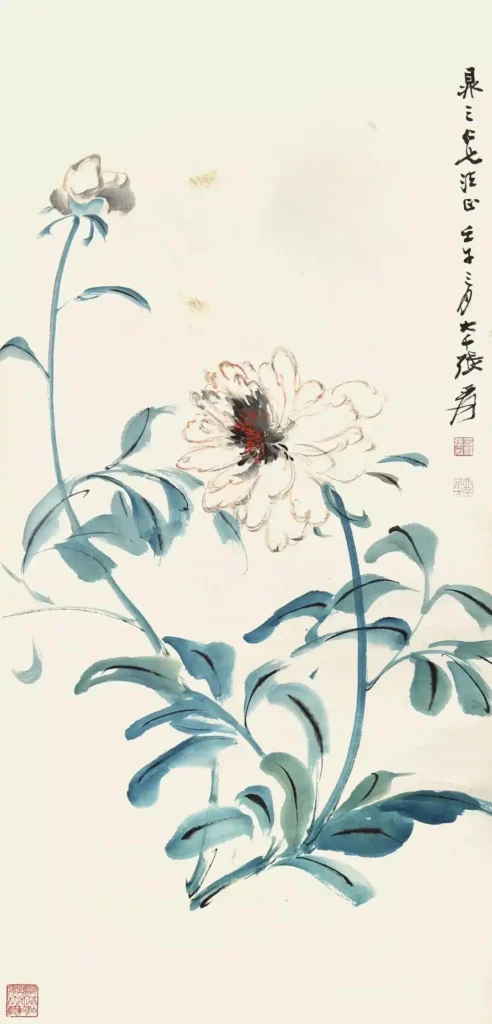
Painting of Peonies by Zhang Daqian (1899 – 1983)
Woven into the very fabric of Chinese civilization for millennia, the herbaceous peony carries profound symbolic meaning, a floral emblem that silently tells tales of love, loss, and the timeless bridge of memory. It is hailed as the “prime minister among flowers,” and its roots have delved deep into the bedrock of cultural heritage. Chinese people associate the herbaceous peony with love and farewell, due to a homophonic pun between its name and the word ‘约’ (yue), meaning “promise” or “appointment.” Since ancient times, it has served as a silent witness to lovers’ vows, a bittersweet token of farewells, and a thread weaving through generations, connecting them with shared emotions. In China’s earliest poetry anthology, the Book of Songs (also known as the Classic of Poetry), which has a history of over 2,500 years, we can catch a glimpse of the herbaceous peony. Young men and women gathered by the riverside for outings during festivals in spring. When it was time to part, they presented each other with a peony flower to convey their heartfelt emotions. It symbolized love, a sense of regret over the parting, and, more importantly, a promise.
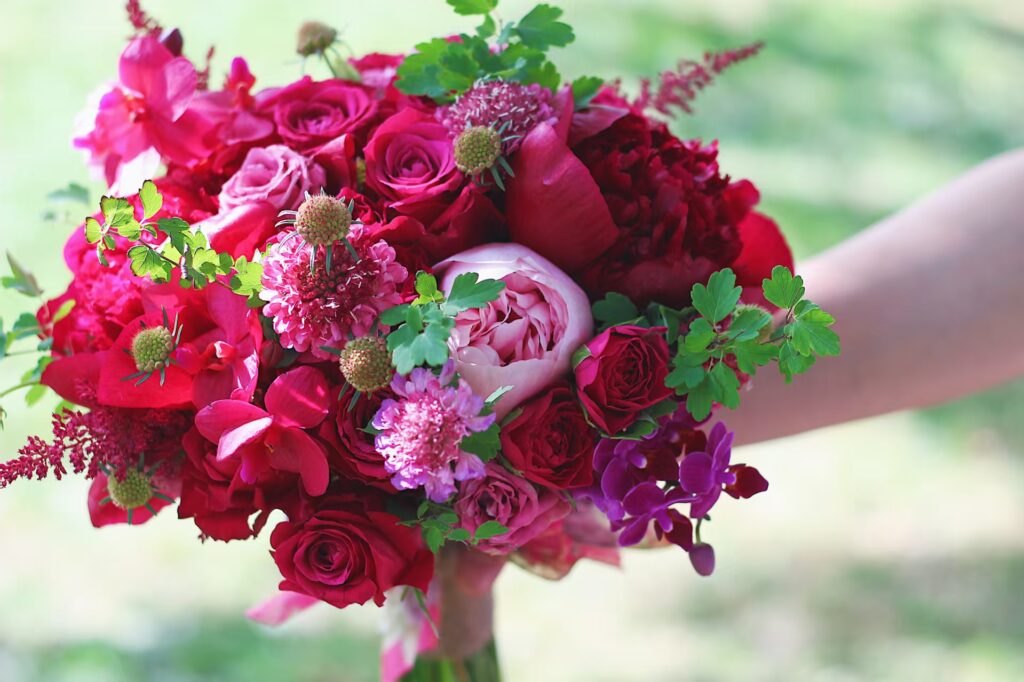
Nowadays, as a symbol of traditional Chinese culture, the herbaceous peony is experiencing a renaissance in China and has become an extremely popular fresh-cut flower. Moreover, apart from being visually pleasing, the rhizome of the herbaceous peony is used as an important traditional Chinese medicinal herb. The market is booming, bringing opportunities to many regions. Relevant industries are continuously growing and thriving. This situation has made the herbaceous peony a “flower of prosperity” for local people.