By Florence Gump
In 2026, at China’s grandest annual celebration, the CCTV Spring Festival Gala, a performance centred on China’s Twelve Flower Deities sparked nationwide fervour and discussion. It was not only the breathtaking, dreamlike visuals created with cutting-edge digital technology that captivated audiences, but also the splendid revival of an ancient cultural legacy: the mythic, poetic world of China’s Twelve Flower Deities.
The Twelve Flower Deities occupy a central role in China’s traditional floral culture, representing enduring symbols of natural beauty and significant emblems of philosophical and artistic heritage. In the poetic imagination of ancient China, where nature and humanity are closely connected, the Twelve Flower Deities appear as celestial guardians of seasonal beauty and moral symbolism. Rooted in folklore, literature, and agrarian traditions, this captivating pantheon assigns a divine patron to each month of the lunar calendar, interweaving flowers, historical figures, and enduring virtues into a cultural tapestry that continues to inspire admiration and reflection.
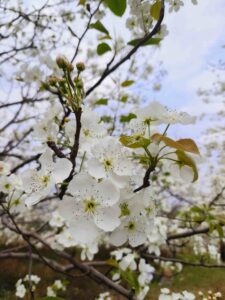
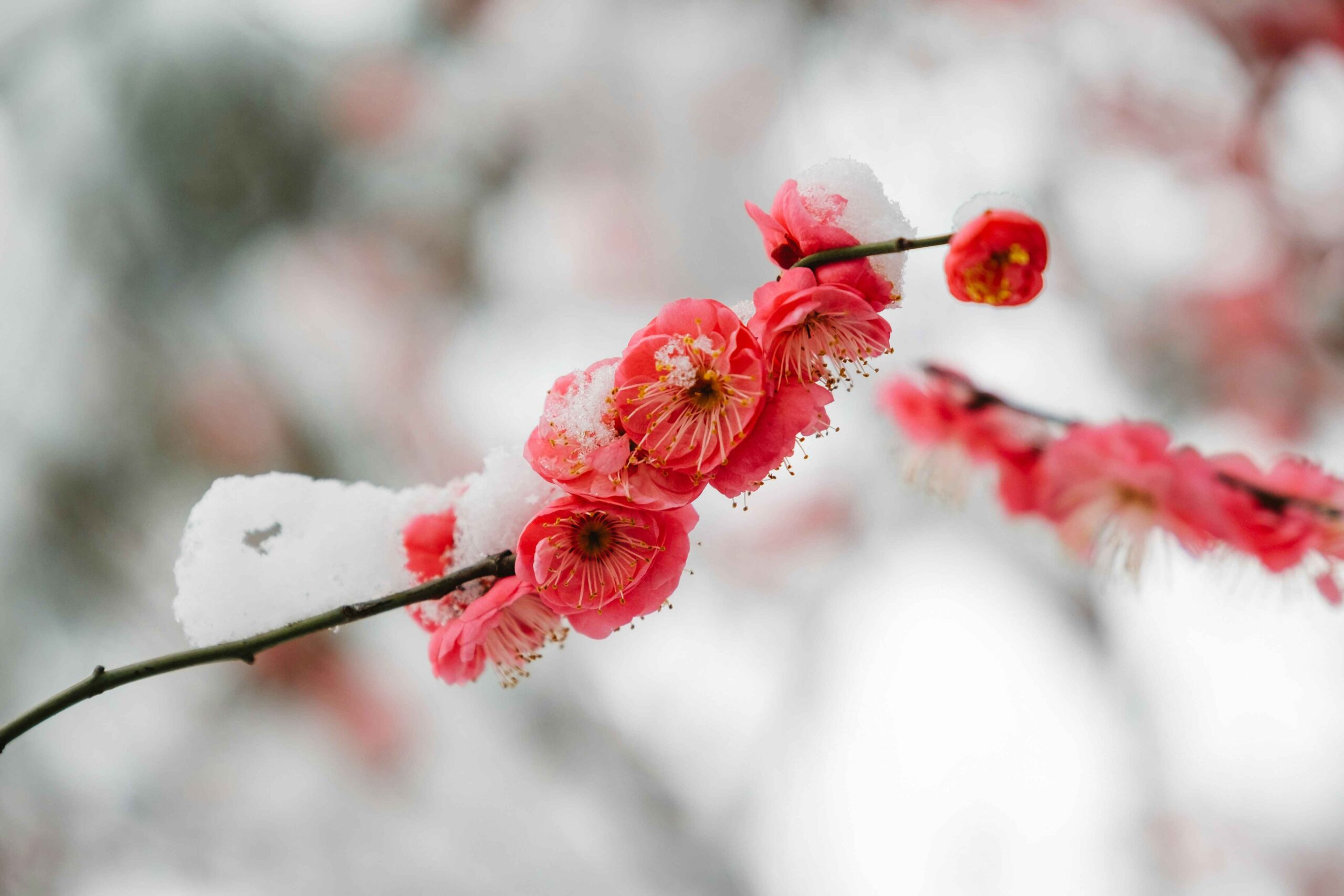
The Twelve Flower Deities primarily represent a divine calendar arising from humanity’s careful observation of nature. In ancient China, people used flowers as living timekeepers, meticulously tracking their blooming cycles to mark the months, observe the changing seasons, and measure the silent passage of years. For example, the plum blossom symbolises January, the lotus June, the osmanthus August, and the chrysanthemum September, among others. Owing to China’s vast size and diverse climates, the legend of the Twelve Flower Deities has developed into various versions, each with subtle differences.
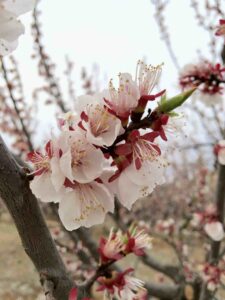
The selection of each iconic flower arises not only from its embodiment of natural beauty but also from the spiritual virtues and philosophical ideals it represents. Consider the plum blossom and lotus as prime examples: the former stands defiant against snow and frost, embodying unyielding resilience, while the latter rises pure from the mud, demonstrating incorruptible integrity. This underscores China’s profound reverence for and contemplation of the rhythms of nature.
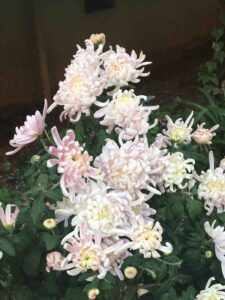
Each type of flower has a corresponding Flower Deity who presides over and safeguards its designated month. There are numerous versions of China’s Twelve Flower Deities, including male, female, and mixed iterations. Unlike the capricious deities born divine on Mount Olympus, China’s Flower Deities, like many other Chinese divinities, are often mortals elevated to godhood for their virtue or talent. They were poets, imperial consorts, warriors, and scholars, each vividly embodying their flower’s essence. Their lives are deeply intertwined with the flowers they represent, and their moral qualities resonate harmoniously with those flowers, mutually enhancing their radiance and beauty. This celestial roster, blending myth, history, and botany, offers a poetic lens through which to view China’s cultural soul, one that celebrates both the ephemeral beauty of blossoms and the enduring virtues they symbolise. Each Flower Deity has a touching story associated with their respective flower, and I will share these stories with you one by one in subsequent articles focusing on specific flowers.